
Solar + Battery · NSW
Solar + Battery Quotes: Separate the Battery Cost Before Deciding
Considering a combined solar and battery proposal? Separate the investment questions so your NSW business can judge whether the battery deserves a place.
UR Energy editorial team ·
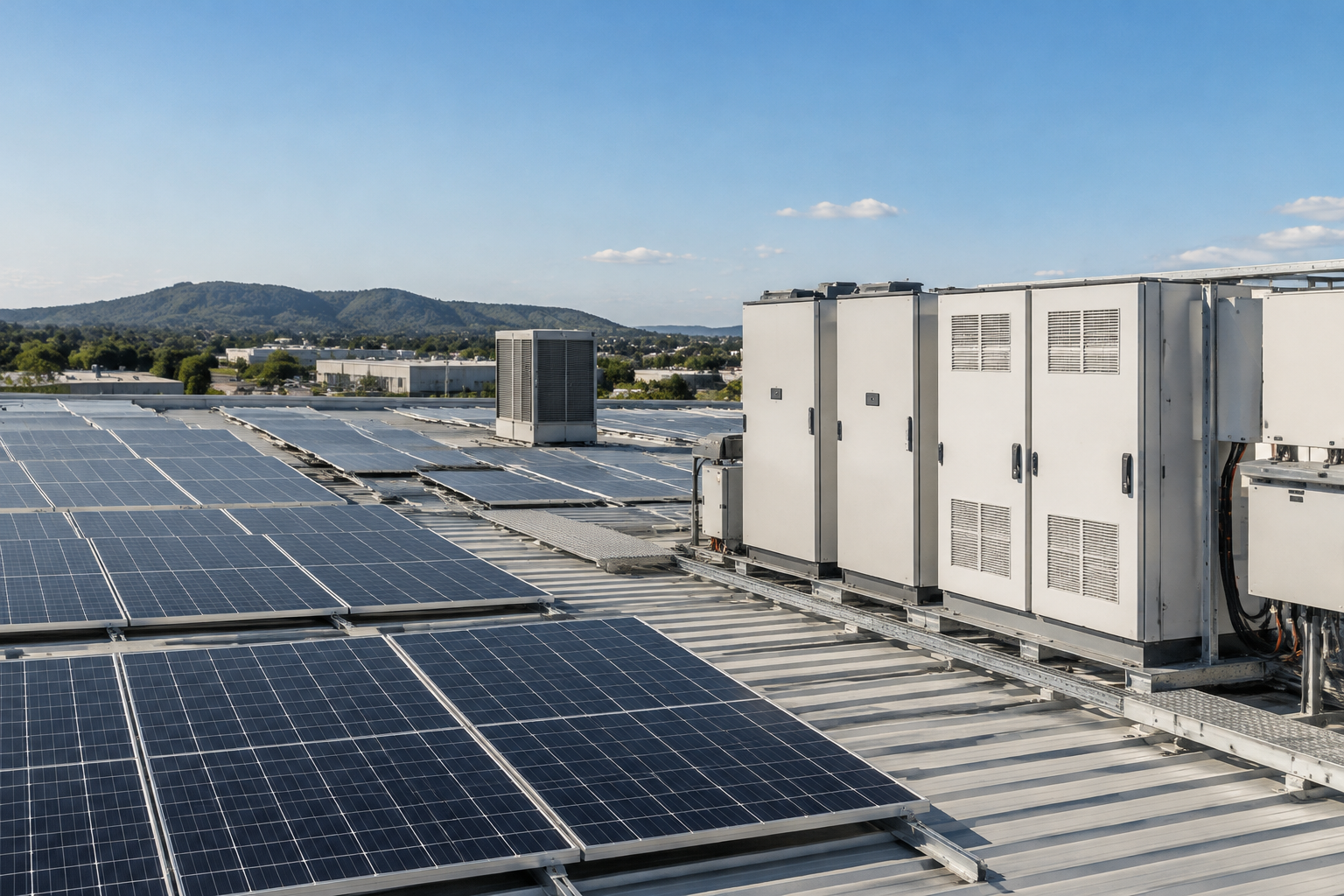
One proposal should not mean one investment question
If your NSW business is considering solar and a battery in one proposal, ask whether you can assess each part separately. The decision is not simply whether the combined proposal looks worthwhile. It is whether including the battery is justified compared with a suitable solar-only option.
This is a question about making costs clear, not an argument against batteries. Business batteries can help manage energy use and may reduce peak demand charges, but suitability needs investment assessment. A combined proposal should leave you able to explain why the battery belongs in the investment, rather than relying on the overall appeal of solar.
Establish a consistent solar-only comparison
Ask for a solar-only option alongside the combined proposal. Solar size depends on electricity use and timing, budget, sunny roof space and installation complexity. Those considerations should remain visible in both options.
Where practical, request a comparison using the same solar design. If the proposed solar size or installation scope changes when a battery is included, ask why and have the differences identified. Otherwise, you may be comparing two different solar investments as well as deciding about a battery.
The aim is not to insist that every design must stay identical. It is to understand which changes are necessary for the proposed arrangement and which are separate choices your business could accept or decline.
Ask what the battery adds to the commitment
Request a clear explanation of the difference between the solar-only commitment and the combined commitment. Which quoted costs relate to solar alone? Which are associated with including the battery? Are any quoted items common to both options?
If a shared item cannot sensibly be allocated to one technology, ask for that uncertainty to be stated rather than accepting an unexplained split. Your assessment should make clear what you would commit without a battery and what changes if you proceed with one.
Also ask whether either option contains optional scope. Keep those choices visible so an optional addition does not become an unexamined part of the battery decision.
Separate the claimed benefits as well
Cost separation is only half the comparison. Ask what each option is expected to achieve, and which proposed benefits specifically depend on including the battery. Do not treat the combined proposal’s entire benefit as evidence that the battery is worthwhile.
If peak demand management is part of the case, ask how that claim relates to your electricity tariff. Tariffs vary by customer and location, so the assessment should use the tariff relevant to your business. Keep grid electricity purchases in view: businesses with solar often continue buying electricity from the grid.
If backup appears among the benefits, ask whether the quoted configuration actually provides it. A battery supplies outages only when configured for backup. Do not assign value to an outage benefit that the proposed arrangement does not include.
Use a concrete decision checklist
Before approving the combined proposal, check that you have a solar-only comparison; an explanation of any solar design differences; a clear account of the additional commitment associated with the battery; and a separate statement of what the battery is intended to achieve.
Then check that tariff assumptions are identified, any claimed backup is included in the configuration, and optional scope is clearly separated. Finally, ask whether the battery still has a persuasive investment case when assessed against the solar-only option.
Reasons not to buy include an unexplained cost difference, benefits that cannot be distinguished from the solar case, or an additional commitment your budget cannot support. An unclear comparison is a reason to seek clarification, not to approve by default.
Take the comparison to a NSW site assessment
For your next step, ask UR Energy for a NSW site assessment focused on comparing a suitable solar-only option with solar plus battery. Bring your electricity-use information, tariff details, budget and proposals, and request a clear explanation of what including the battery changes.
Sources & further reading
- Australian Government — Solar for businesses
- NSW Government — Battery storage guide
- Australian Government — Batteries
- Australian Government — Electricity tariffs
AI-assisted editorial content based on the sources above. General information, not a site-specific recommendation. Confirm current requirements before committing to a project.