
Solar + Battery · NSW
Should Your NSW Business Buy Solar and a Battery Together?
Planning commercial solar in NSW? Assess whether a battery belongs in the same investment, needs a separate review, or should stay off the purchase list.
UR Energy editorial team ·
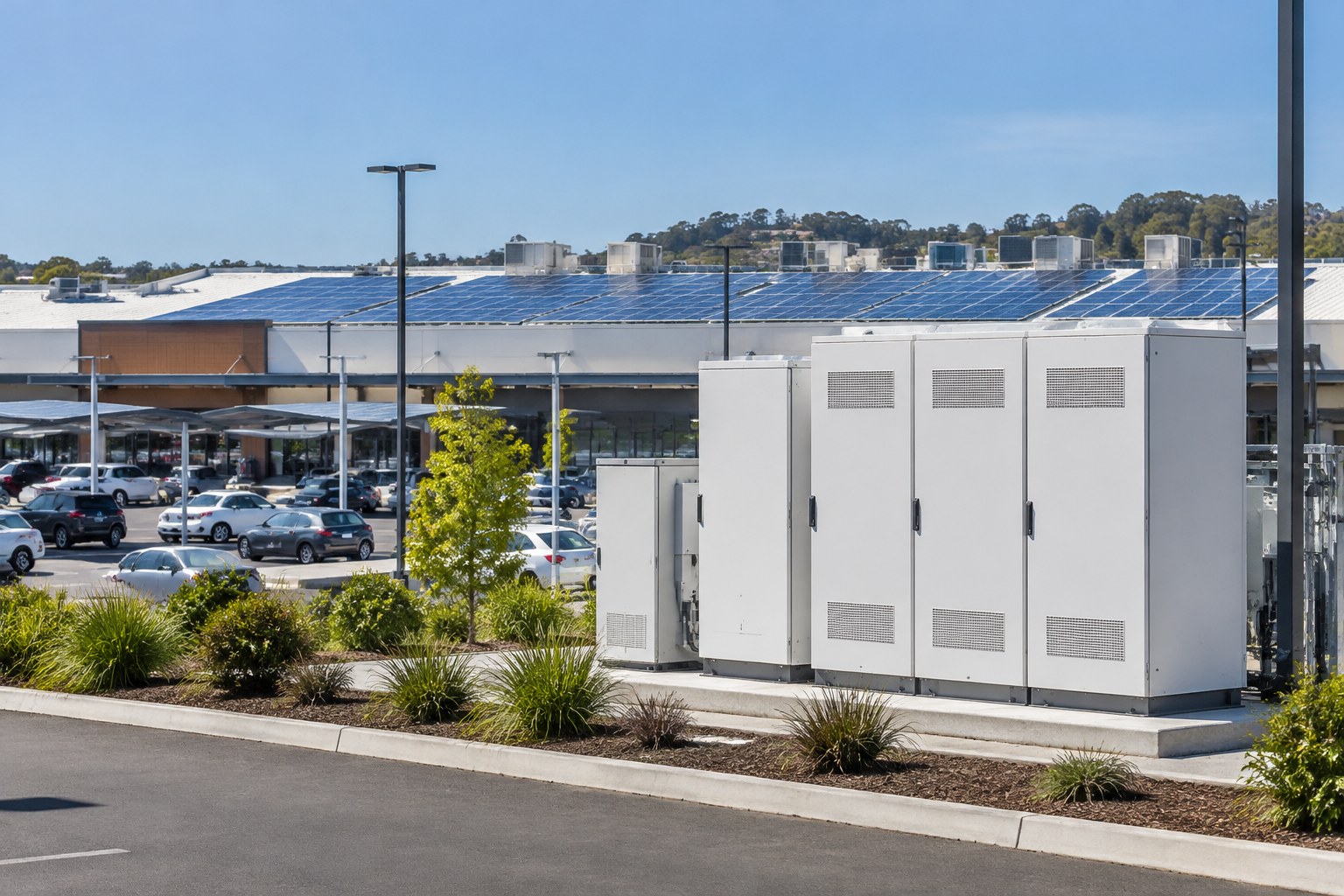
Treat the combined proposal as two decisions
For a NSW business considering solar, including a battery in the same proposal can seem like a straightforward choice. But the useful question is not whether the two can appear together on a quote. It is whether each investment has a clear purpose for your site, and whether the combined proposal deserves approval.
Compare solar on its own with solar plus a battery rather than treating the battery as an automatic inclusion. This gives a warehouse, hospitality venue, manufacturer, retailer or medical business a practical way to decide what belongs in the purchase now and what needs further assessment.
Establish the solar case without relying on the battery
Solar sizing depends on electricity use and when that use occurs, available budget, sunny roof space and installation complexity. Ask for these considerations to be addressed in a solar-only option before reviewing the combined investment.
What electricity use is the proposal based on? How has its timing been considered? What roof space is being counted, and what installation complexity has been allowed for? These questions establish a reference point for comparing options.
Do not assess either option on the assumption that solar removes the electricity bill. Businesses with solar often continue buying grid electricity, and tariffs vary by customer and location. Ask what grid purchases the assessment assumes under each option.
Require a separate reason for the battery
Business batteries can help manage energy use and may reduce peak demand charges. Those possibilities still need an investment assessment for the particular business. A combined proposal should explain the battery’s intended contribution rather than present it simply as an enhancement to solar.
Ask the assessor to distinguish the case for solar from the case for adding storage. What is the battery expected to change? Which assumptions support that expectation? Would the business still approve the solar option if the battery were removed?
If outage supply is part of the proposal, make that requirement explicit. A battery supplies power during outages only when configured for backup. Do not count backup as a benefit unless the proposed configuration provides it.
Keep deferral and rejection on the table
Buying together should be an option, not the default outcome. Consider deferring the battery if its intended contribution remains unclear, if the investment assessment is incomplete, or if the combined proposal does not fit the available budget. Deferral means leaving the decision open, not assuming a later purchase will be worthwhile.
There are also reasons not to buy. The assessment may not justify the battery investment for your business. Or the proposed configuration may not provide the outage supply you require. Neither concern is resolved simply by including storage alongside a solar system.
Similarly, do not assume a battery makes an otherwise unsuitable solar proposal acceptable. Electricity use, timing, budget, sunny roof space and installation complexity still need consideration.
Use a concrete approval checklist
Before approving a combined purchase, check that you have a solar-only option and a solar-plus-battery option. Confirm that both use clearly stated assumptions about electricity use, timing, the applicable tariff and continued grid purchases.
Next, check that the solar assessment addresses budget, sunny roof space and installation complexity. Require a separate explanation of the battery’s energy-management purpose and any proposed peak-demand benefit.
Finally, confirm whether backup is required and whether the proposed battery is configured to provide it. Record the outcome as one of three decisions: proceed together, proceed with solar while deferring storage, or do not proceed on the available assessment.
Make the next step site-specific
The aim is not to favour a larger purchase or a staged approach. It is to avoid approving two investments on the strength of one general explanation. Ask UR Energy for a NSW site assessment that compares solar alone with solar plus a battery, tests the assumptions behind each option and leaves room for a clear decision not to buy.
Sources & further reading
- Australian Government — Solar for businesses
- NSW Government — Battery storage guide
- Australian Government — Batteries
- Australian Government — Electricity tariffs
AI-assisted editorial content based on the sources above. General information, not a site-specific recommendation. Confirm current requirements before committing to a project.