
Commercial Battery · NSW
Should You Buy a Commercial Battery for Growth That Hasn’t Happened Yet?
Planning a larger NSW operation? Separate today’s battery needs from possible future growth before committing, and test whether waiting is the better investment decision.
UR Energy editorial team ·
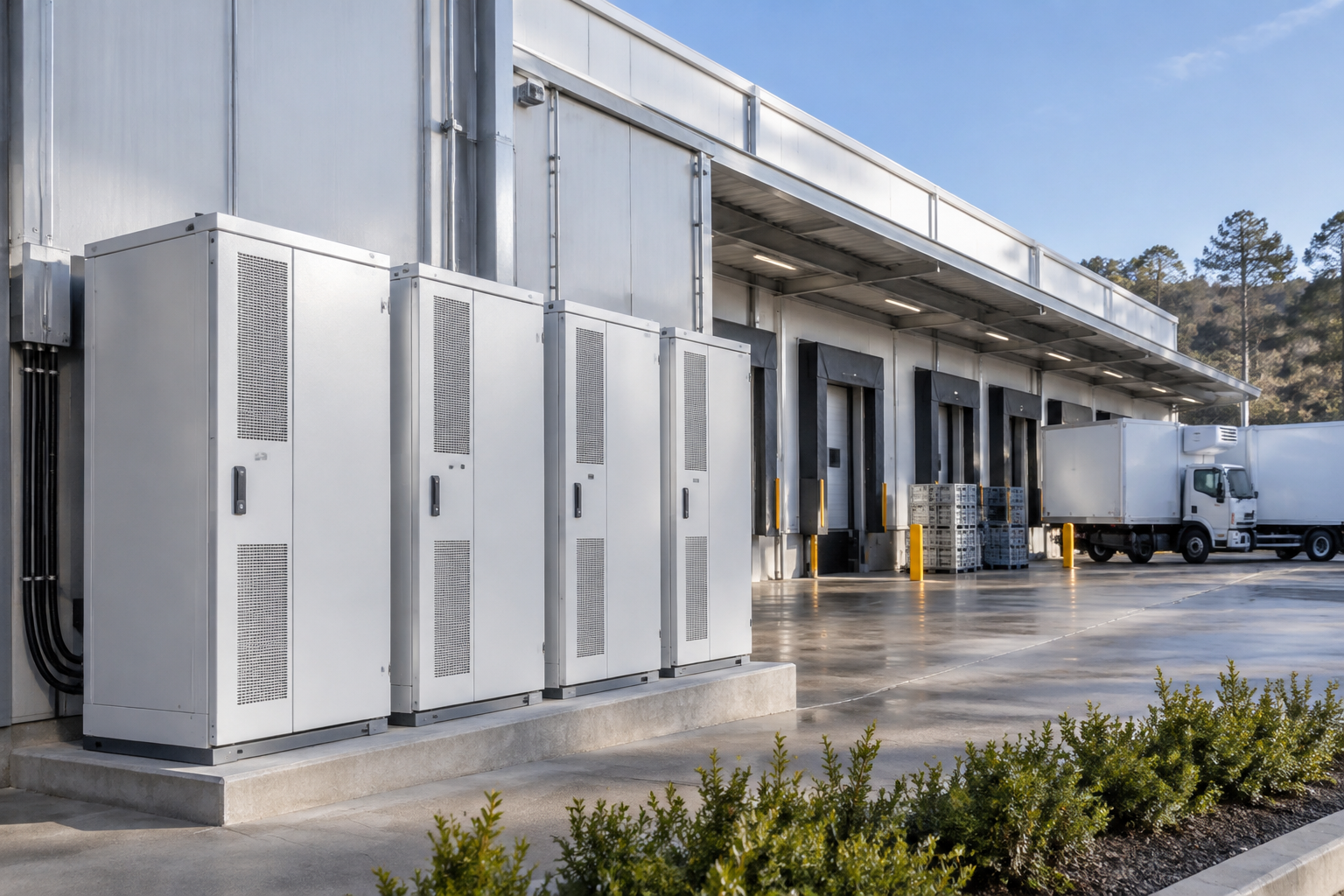
Keep tomorrow’s plans separate from today’s purchase
A planned business expansion can make a battery purchase feel timely. But should your NSW business commit to an investment based on electricity needs that do not yet exist? The useful question is not simply whether the business expects to grow. It is whether the proposed battery makes sense if that growth is delayed, changed or cancelled.
For a warehouse, hospitality venue, manufacturer, retailer or medical business, start by separating the operation you have from the operation you hope to have. Business batteries can help manage energy use and may reduce peak demand charges, but suitability needs an investment assessment. An expansion plan is a scenario to assess, not evidence that a battery will be worthwhile.
Describe the expansion without treating it as certain
Write down what the planned growth would actually involve. Are you considering a larger operation at the same premises, additional business activities or a move to another site? Which elements are committed, and which remain possibilities? At leased premises, is the assessment intended for the current location or a possible future one?
Keep unanswered questions visible rather than filling them with favourable assumptions. Ask what electricity use and timing you expect under each version of the plan, and identify where those expectations still need assessment. The aim is not to predict the future perfectly. It is to avoid presenting an uncertain future operation as though it were already established.
Ask for a present-day case and a growth case
Request an assessment that distinguishes the current business from the proposed expansion. First ask whether a battery is suitable for the operation as it stands. Then ask how the investment assessment changes under the growth scenario. If the recommendation depends entirely on expansion, make that dependency explicit.
Electricity tariffs vary by customer and location. Ask which tariff assumptions belong to the current operation and which would need checking for the future scenario. Do not assume a tariff used in one assessment applies to another location. If solar is included, remember that businesses with solar often continue buying grid electricity; the assessment should not treat solar as eliminating that purchase.
Do not let future plans quietly expand the brief
Growth discussions can turn one purchase into several loosely connected ambitions: more solar, energy management and outage backup. Keep each proposed purpose visible. If solar is part of the plan, its size depends on electricity use and timing, budget, sunny roof space and installation complexity. Ask how those considerations differ between today’s site and the proposed future operation.
If backup is also requested, ask whether it is part of the proposed configuration rather than assuming it comes with the battery. A battery supplies electricity during outages only when configured for backup. A broader wish list should prompt clearer design questions, not an automatic commitment.
Use a checklist that leaves room to wait
Before approving a purchase, record answers to these questions: Does the investment assessment support buying for today’s operation? What expansion assumptions change the recommendation? What happens to the case if expansion does not proceed? Which electricity-use and tariff assumptions remain unresolved? If solar or backup is included, has each been assessed explicitly?
There are valid reasons not to buy now. The current operation may not support the investment. The growth plan may be too uncertain to assess meaningfully. The proposed benefits may rely on tariff assumptions that have not been checked. Waiting is worth considering when the case depends more on unresolved plans than on an assessed business need.
Make the next assessment specific to your NSW site
Prepare two short descriptions for the next discussion: your current operation and the proposed expansion, with uncertainties clearly marked. Ask UR Energy about a NSW site assessment that considers both separately, so the next step is a site-specific investment decision rather than a purchase justified by growth that may never occur.
Sources & further reading
- Australian Government — Solar for businesses
- NSW Government — Battery storage guide
- Australian Government — Batteries
- Australian Government — Electricity tariffs
AI-assisted editorial content based on the sources above. General information, not a site-specific recommendation. Confirm current requirements before committing to a project.