
Commercial Battery · NSW
One NSW Site, Different Activities: Assess the Battery as a Whole
Different activities at one NSW business site can point to different battery priorities. Assess the whole investment before one department’s needs drive the purchase.
UR Energy editorial team ·
Start with the site, not its busiest activity
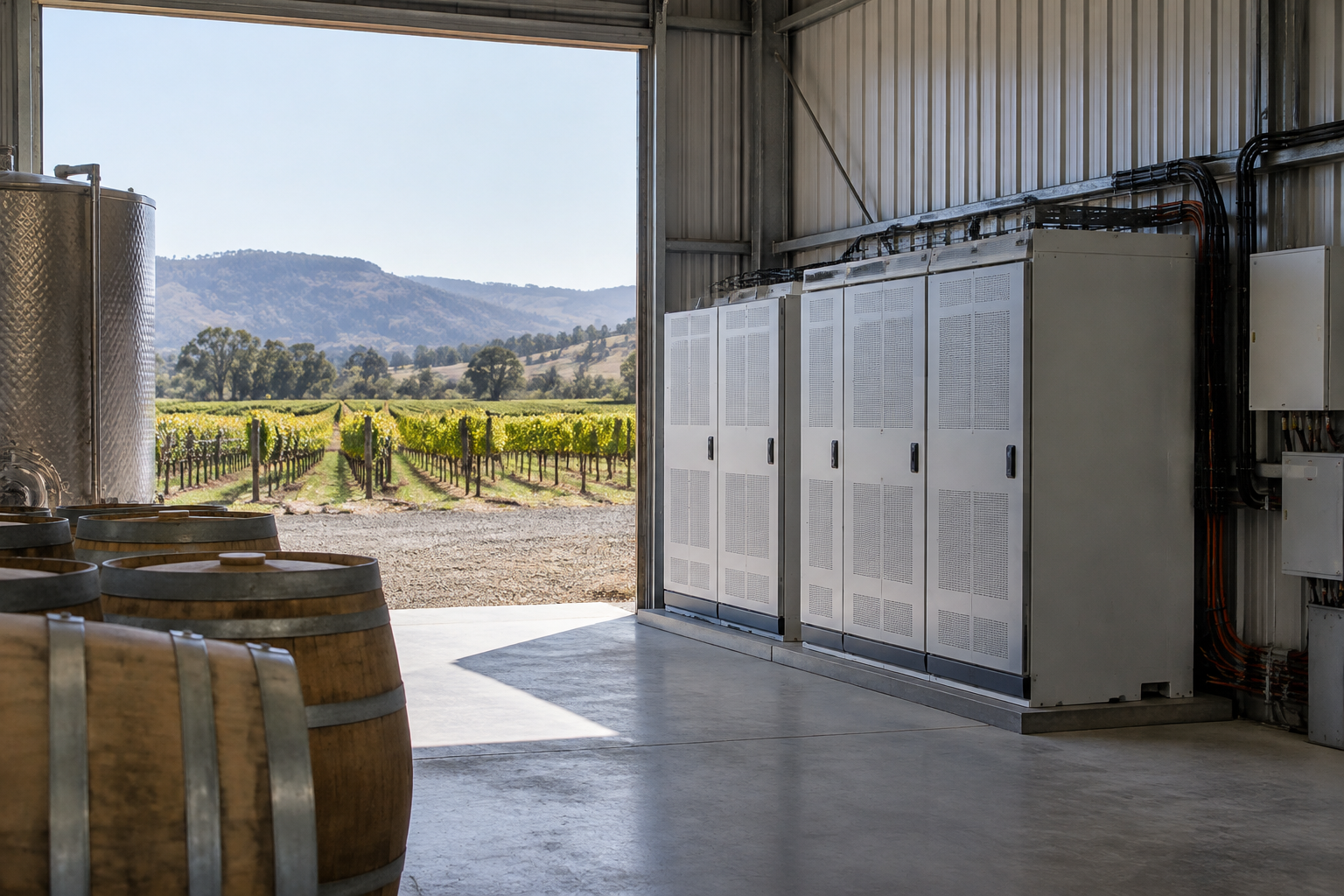
If your NSW premises combines several business activities, which one should shape the battery decision? Consider a warehouse with an office, hospitality premises with retail space, or a medical business with administrative areas. These are useful assessment scenarios, not reasons to assume a battery will suit the site.
The key question is whether the proposed investment makes sense across the activities it is intended to serve. Business batteries can help manage energy use and may reduce peak demand charges, but suitability needs investment assessment. One activity’s interest in a battery should not become approval for the whole purchase.
Describe the activities before choosing the solution
List the different activities at your premises and ask what each wants from the proposed battery. Is the request about managing electricity use, potentially reducing peak demand charges, or supplying electricity during an outage? Keep those requests separate initially so that a broad phrase such as “support the business” does not hide different expectations.
Ask when electricity is used for each activity and how that relates to the site overall. Avoid treating the activity with the longest hours, strongest preference or most visible equipment as automatically decisive. Instead, ask the assessment to explain how each activity’s requirements contribute to the proposed design and investment case.
Test demand-charge claims at the relevant level
If reducing peak demand charges is the main objective, ask how the proposal connects the different activities to that objective. Tariffs vary by customer and location, so a general claim about batteries or your industry is not enough to establish suitability for your premises.
Ask whether the investment case is being made for the whole site or only a selected activity. If it focuses on one part of the business, require an explanation of why that narrower view supports the purchase. Do not approve the investment simply because one activity appears to offer an opportunity; the overall assessment still needs to justify it.
Keep solar and backup assumptions visible
Where solar is included, ask whether its proposed size reflects electricity use and timing across the activities being considered. Budget, sunny roof space and installation complexity also matter. Do not let the preferences of one area become a substitute for assessing those factors. Businesses with solar often continue buying grid electricity.
If one activity wants outage support, make that a separate, explicit design question. A battery supplies electricity during outages only when configured for backup. Ask what the proposal would support, rather than letting an expectation from one part of the premises become an assumed promise for every activity.
Recognise when the answer should be no
There are sound reasons not to proceed. Hold off if the proposal relies on an assumed tariff, leaves the activities it would serve unclear, or treats backup as automatic. Likewise, do not buy if the investment assessment cannot justify the proposed battery against the business objectives.
Different priorities do not have to be forced into one purchase. If the proposal is justified only for a narrower purpose, assess that purpose explicitly rather than retaining broader claims. If a defensible case still cannot be made, choosing not to buy is a valid outcome.
Use a whole-site decision checklist
Before approval, check that you can answer these questions: Which activities are included? When do they use electricity? What is the primary battery objective? Which tariff applies? How is any demand-charge benefit assessed? If solar is included, have its sizing factors been addressed? If backup is required, is its configuration explicit? Does the investment assessment justify proceeding?
For your next step, request a NSW site assessment through UR Energy. Bring your electricity tariff information and a plain-language outline of the activities at your premises, and ask for the proposed battery to be assessed against both those individual needs and the overall investment case.
Sources & further reading
- Australian Government — Solar for businesses
- NSW Government — Battery storage guide
- Australian Government — Batteries
- Australian Government — Electricity tariffs
AI-assisted editorial content based on the sources above. General information, not a site-specific recommendation. Confirm current requirements before committing to a project.