
Commercial Battery · NSW
Is Your Electricity Information Ready for a Commercial Battery Decision?
Before choosing a commercial battery, check whether your electricity information supports the decision. A practical evidence checklist for NSW businesses.
UR Energy editorial team ·
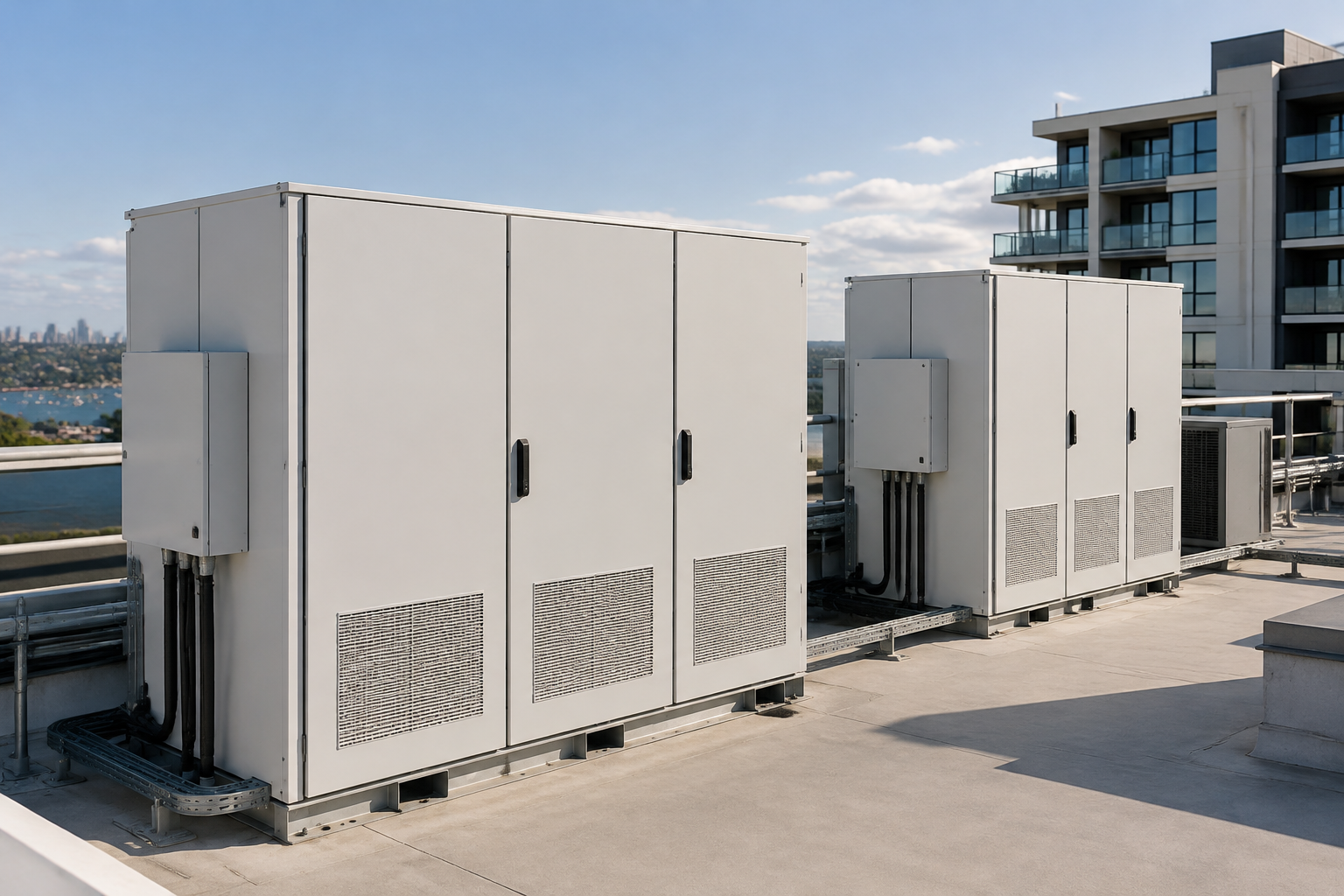
Check the evidence before choosing equipment
For a NSW business considering battery storage, a useful first question is not which battery to buy. It is whether the information available is strong enough to assess an investment. A proposal should distinguish what is known about your site from what still needs checking.
The NSW Government’s battery storage guide says business batteries can help manage energy use and may reduce peak demand charges, but suitability needs investment assessment. That makes the quality of your starting information worth examining before discussing equipment. The aim is a decision grounded in your business, not a general expectation that storage must be beneficial.
Separate electricity use from assumptions about it
Start by asking what information describes your electricity use and its timing. Does it support the operating pattern you have described, or are you relying on recollection? If the available information leaves gaps, ask the assessor to identify those gaps rather than quietly fill them with assumptions.
For a warehouse, hospitality venue, manufacturer, retailer or medical practice, the question is the same: what evidence supports the proposed battery role at this particular site? Do not treat a business category as a substitute for site information. If you occupy leased premises, ask whether the electricity information available actually relates to the premises being assessed.
Where solar is also under consideration, timing remains relevant. Australian Government guidance says solar size depends on electricity use and timing, alongside budget, sunny roof space and installation complexity.
Make the tariff evidence explicit
Ask which electricity tariff the assessment uses and how it was confirmed for your business. Australian Government guidance notes that tariffs vary by customer and location. A tariff assumed from another business or site is therefore not a sound substitute for checking yours.
If reducing peak demand charges is part of the battery case, ask the assessor to identify the relevant charge and explain the conditional basis for any proposed reduction. The NSW guidance says batteries may reduce these charges; it does not establish that every business will benefit.
For a solar-and-battery assessment, also ask how continued grid purchases are treated. Australian Government guidance notes that businesses with solar often continue buying grid electricity. Do not let an expectation of independence replace an assessment of your actual arrangements.
Keep backup claims in a separate evidence check
If outage supply is part of your interest in a battery, record it as a requirement that needs confirmation. Australian Government guidance states that a battery supplies outages only when configured for backup. Battery storage alone is not evidence that backup will be available.
Ask whether the proposed configuration explicitly includes backup and what the assessment still needs to establish about your requirements. If backup has not been confirmed, do not count it as a benefit supporting the purchase. This is an evidence check, not a reason to assume backup should be included.
Use a concrete information-readiness checklist
Before proceeding, answer these questions in writing. What information supports the stated electricity use and timing? Has the tariff been confirmed for this customer and location? Which proposed benefits are supported, and which remain conditional? If backup matters, has its configuration been explicitly addressed?
If solar is included, has the assessment considered budget, sunny roof space and installation complexity as well as electricity use? Finally, which unanswered questions could change the investment decision? Ask for each unresolved item to be clearly labelled, with the information needed to resolve it.
Allow the evidence to support waiting or declining
There are valid reasons not to buy: the investment assessment may not support suitability, a proposed demand-charge benefit may remain unsubstantiated, or a backup expectation may not be met by the proposed configuration. Missing information is also a reason to pause rather than treat an uncertain benefit as established.
For your next step, ask UR Energy about a NSW site assessment focused on information readiness. Bring your available electricity information, tariff details and intended battery role, and request a clear account of what is confirmed, what remains conditional and what must be checked before proceeding.
Sources & further reading
- Australian Government — Solar for businesses
- NSW Government — Battery storage guide
- Australian Government — Batteries
- Australian Government — Electricity tariffs
AI-assisted editorial content based on the sources above. General information, not a site-specific recommendation. Confirm current requirements before committing to a project.