
Commercial Battery · NSW
Is a Headline Payback Figure Enough to Approve a Business Battery?
A payback estimate can start a commercial battery discussion, but NSW businesses should examine its assumptions, scope and purpose before approving the investment.
UR Energy editorial team ·
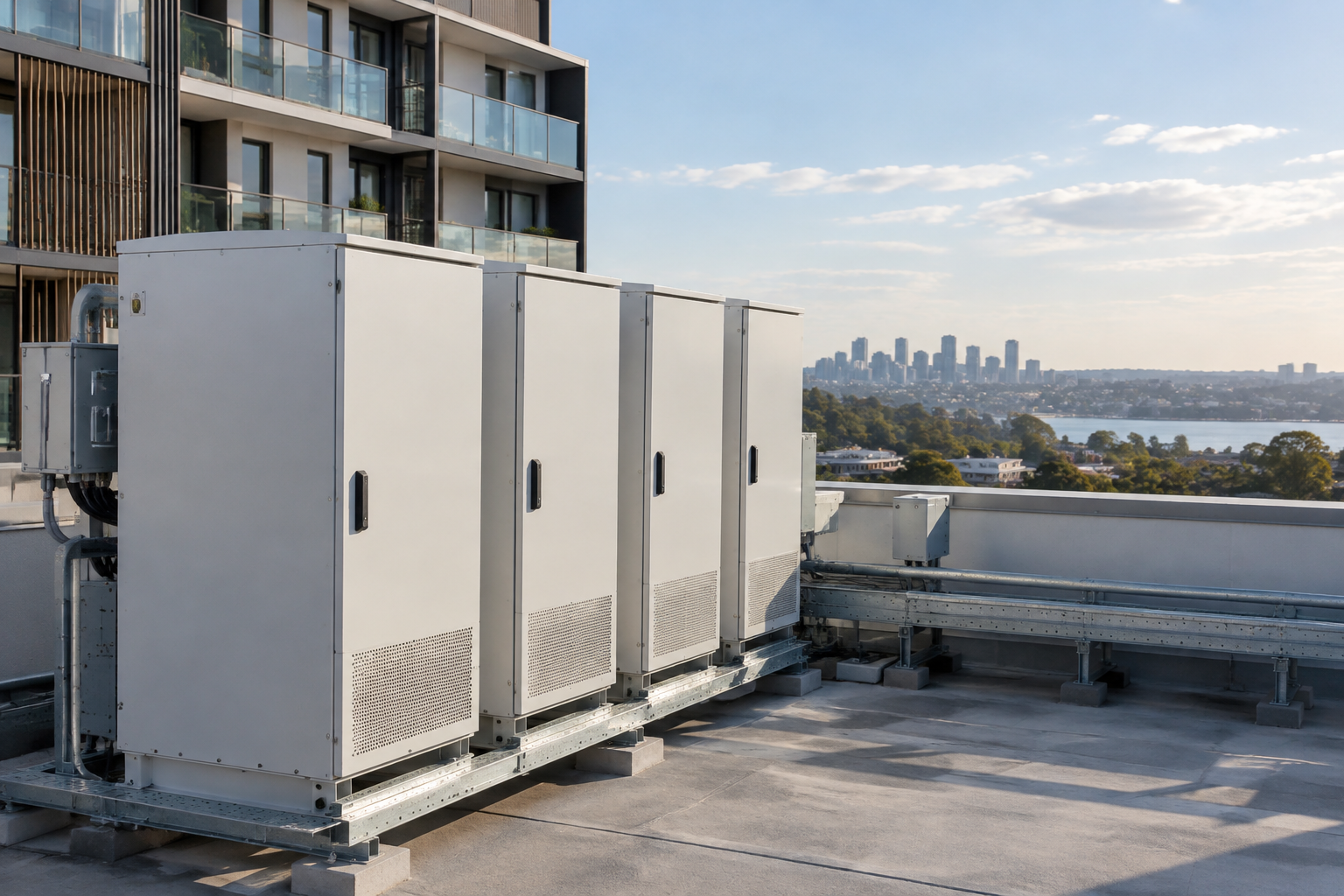
Start with the investment, not the headline
If a commercial battery proposal opens with an attractive payback estimate, treat that figure as a question to investigate rather than an instruction to buy. What has been included, what has been assumed, and does the proposed investment address something your NSW business actually wants to manage?
The NSW Government’s battery storage guide says business batteries can help manage energy use and may reduce peak demand charges, but suitability needs investment assessment. A useful approval discussion therefore needs more than a single financial headline. It should connect the proposed spending, the intended purpose and the electricity arrangement at your premises.
Ask what the estimate actually covers
Before discussing whether the estimated payback is acceptable, ask for its scope in plain language. Does it refer to the battery alone, or to a combined solar and battery investment? Which proposed costs are included? Which expected benefits have been used? Can the assessor explain how each benefit relates to your business?
For a combined proposal, ask whether the solar design has been assessed against electricity use and timing, budget, sunny roof space and installation complexity. These are the Australian Government’s stated solar sizing considerations. Do not let a financial summary substitute for explaining why the proposed solar design suits the site.
Trace the financial argument back to your electricity arrangement
Ask which tariff has been used in the assessment and whether it applies to your premises. Australian Government guidance notes that tariffs vary by customer and location. A proposal should make its tariff assumptions clear enough for your business to question them, rather than leaving them behind an unexplained result.
If the estimate includes reduced peak demand charges, ask how that potential benefit has been assessed. Business batteries may reduce these charges; that is not a promise that yours will. If solar is included, also ask what grid electricity purchases the assessment still allows for. Businesses with solar often continue buying electricity from the grid.
Keep backup expectations outside an unexplained financial claim
A payback discussion should not leave your team assuming that backup is included. Australian Government guidance is explicit: a battery supplies electricity during outages only when configured for backup. If outage supply matters to the purchase, ask whether that configuration is part of the assessed proposal.
Then ask how backup has been treated in the investment discussion. Is it a separate business requirement, or has an assumed financial value been attached to it? Request an explanation rather than accepting an unsupported value. If backup is not needed, do not allow an unrequested backup promise to make an otherwise unconvincing investment sound more attractive.
Use a checklist that permits a no
Before approval, record answers to these questions: What is being purchased? What costs does the estimate include? Which tariff and electricity-use assumptions support it? Which benefits are expected rather than guaranteed? Is any required backup configuration included? If solar is involved, has its size been justified separately? What remains unresolved?
Consider not buying if the estimate cannot be explained, depends on benefits your business does not need, or uses assumptions that have not been connected to your premises. Deferring is also reasonable where the investment assessment is incomplete. You do not need to accept the proposal merely because its headline result appears appealing.
Turn the headline into a site-specific assessment
For a warehouse, hospitality venue, manufacturer, retailer, medical business or leased commercial site, the useful next question is the same: can this proposal be explained in terms of our electricity arrangement and intended purpose? A financial summary should support that conversation, not replace it.
Ask UR Energy for a NSW site assessment that examines the proposed battery purpose, applicable tariff, electricity-use assumptions and any solar or backup requirements before you make an investment decision.
Sources & further reading
- Australian Government — Solar for businesses
- NSW Government — Battery storage guide
- Australian Government — Batteries
- Australian Government — Electricity tariffs
AI-assisted editorial content based on the sources above. General information, not a site-specific recommendation. Confirm current requirements before committing to a project.