
Commercial Battery · NSW
Does a Preferred Battery Brand Fit Your NSW Business Brief?
A preferred battery brand is a starting point, not an investment case. Check whether the proposed configuration fits your NSW site before committing.
UR Energy editorial team ·
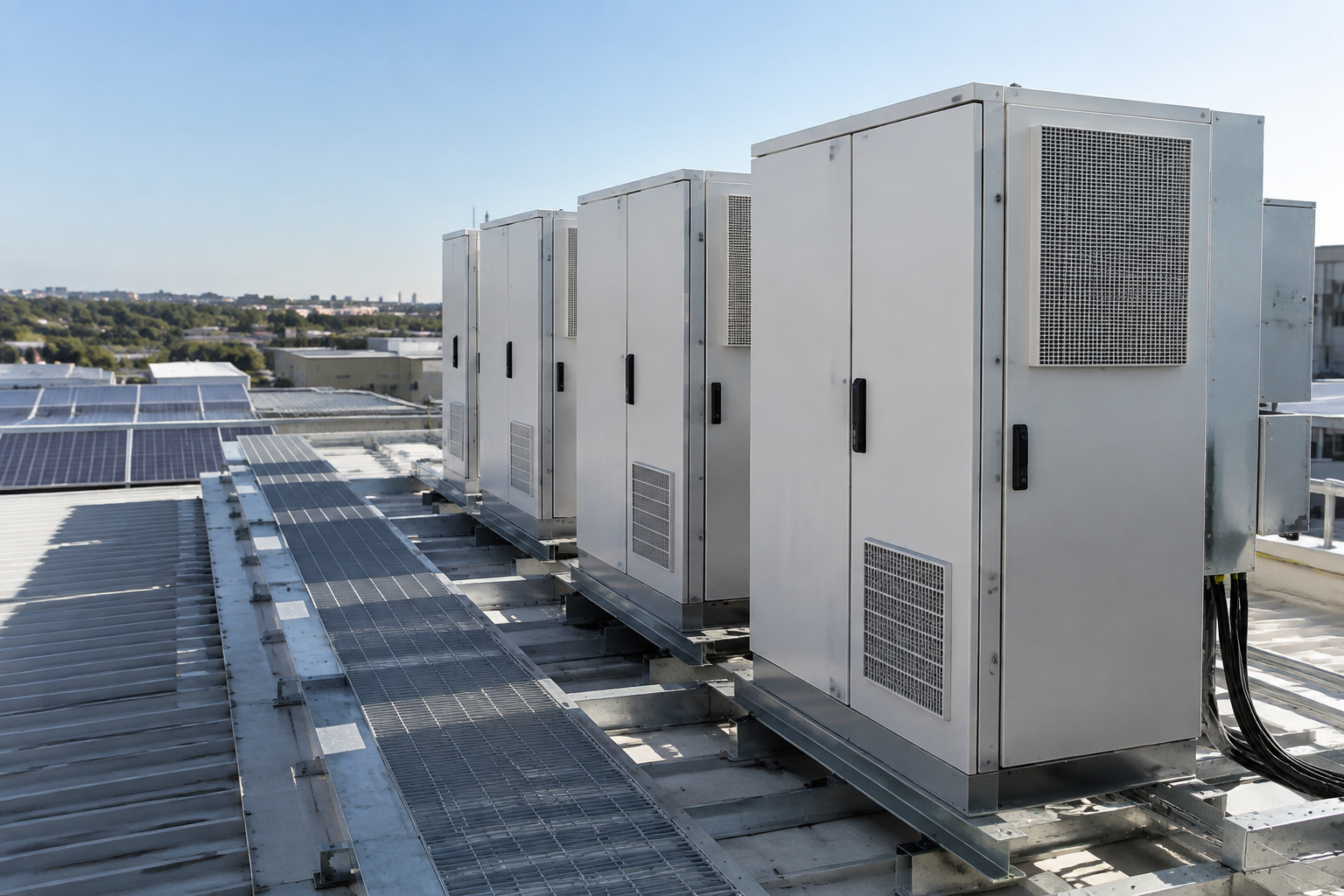
Keep brand preference separate from purchase approval
Your business may enter a battery discussion with a preferred brand already in mind. That preference can remain part of the conversation, but it should not decide whether to buy. The commercial question is whether the proposed battery arrangement suits your site and warrants the investment.
Try a brand-neutral test: remove the product name from the proposal and read the business case again. Would you still support the purchase? For a warehouse, hospitality venue, manufacturer, retailer or medical business, the answer should rest on an assessed purpose rather than familiarity with a name.
Describe the job before naming the product
Write a short purchasing brief without mentioning a manufacturer. What energy-use issue are you trying to address? Is the objective to manage electricity use, potentially reduce peak demand charges, or provide a specified backup arrangement? Avoid treating these as interchangeable reasons to buy.
The NSW Government’s battery storage guide says business batteries can help manage energy use and may reduce peak demand charges, but suitability needs investment assessment. Ask whether the preferred product, in its proposed configuration, supports your stated objective. If that connection has not been assessed, brand preference should remain provisional.
Check the arrangement, not an assumed capability
If backup is part of the brief, ask explicitly whether the proposed battery will be configured for it. Australian Government guidance states that a battery supplies electricity during outages only when configured for backup. Do not infer that capability from the brand name or from the word ‘battery’.
Apply the same discipline to the financial discussion. Tariffs vary by customer and location, and businesses with solar often continue buying grid electricity. Ask which tariff has been used in the investment assessment and what continued grid purchases are assumed. A product preference cannot answer those site-specific questions.
Do not reshape the solar brief just to preserve a preference
Where solar is also being considered, keep its sizing questions visible. Australian Government guidance identifies electricity use and timing, budget, sunny roof space and installation complexity as factors in solar size. Ask how those considerations have informed the proposed solar arrangement before accepting a preferred battery package.
If the proposal changes the solar plan, request a clear explanation of why that change suits your business. Would you accept the revised solar arrangement if the battery brand were unnamed? Treat an unexplained change as a question to resolve, not as an automatic reason to approve the package.
Know when preference should give way to a no
There are sound reasons not to proceed with a preferred battery. The investment assessment may not support buying one. The proposal may leave its intended purpose unclear, or rely on backup that is not included in the configuration. A familiar name does not resolve any of these gaps.
Distinguish between declining that proposal and rejecting batteries altogether. Ask whether the unresolved issue concerns the particular arrangement or the underlying case for investment. If the business case remains unsupported regardless of product choice, do not keep shopping merely to preserve the original intention to buy.
Use a brand-neutral decision checklist
Before approval, record answers to these questions: What job must the battery do? Does the assessment support that job? Which site tariff was used? What grid purchases remain assumed? If backup matters, is it explicitly configured? If solar is included, is its size justified against the approved sizing factors? Would the proposal still be acceptable without the brand name?
Take that checklist, your electricity information and the preferred proposal to UR Energy for a NSW site-assessment discussion. Ask for the site's requirements and investment case to be considered before deciding whether the preferred battery belongs in the final plan.
Sources & further reading
- Australian Government — Solar for businesses
- NSW Government — Battery storage guide
- Australian Government — Batteries
- Australian Government — Electricity tariffs
AI-assisted editorial content based on the sources above. General information, not a site-specific recommendation. Confirm current requirements before committing to a project.