
Commercial Battery · NSW
Changing Electricity Plans? Don’t Credit the Battery for the Whole Result
Assessing a new electricity plan alongside a commercial battery? Keep the two decisions separate so your NSW business can see what actually supports the investment.
UR Energy editorial team ·
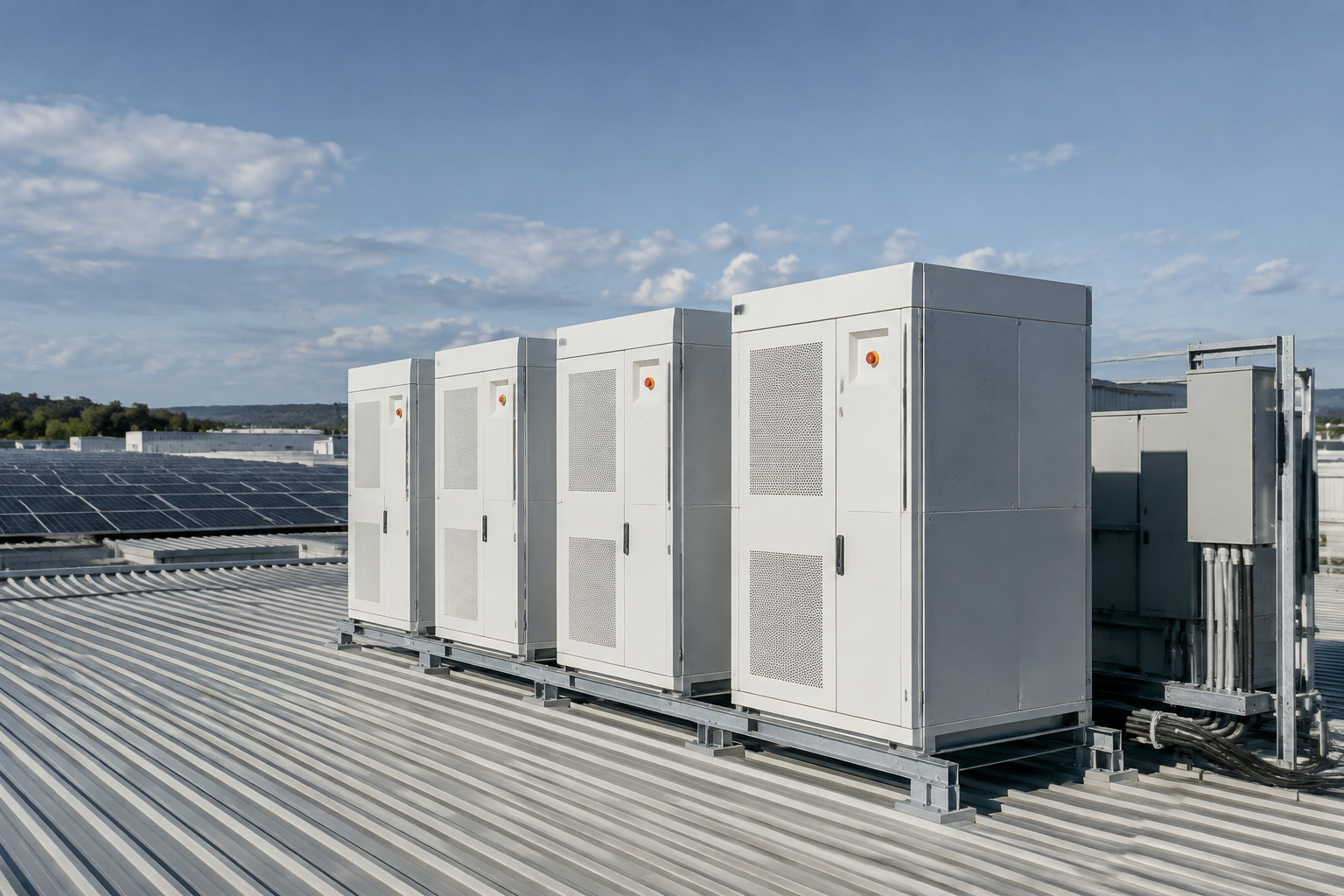
Separate the equipment decision from the electricity plan
If your NSW business is considering both a commercial battery and a different electricity plan, ask a specific question: how much of the proposed outcome depends on the battery, and how much depends on the plan? A combined proposal should not leave that distinction unclear.
For a warehouse, hospitality venue, manufacturer, retailer or medical practice, this is a question about a fair comparison. Before committing, ask whether the battery remains a worthwhile investment when assessed against an available electricity plan without it, rather than only against your existing arrangement.
Make the starting point explicit
The Australian Government’s electricity tariffs guidance explains that tariffs vary by customer and location. It also notes that businesses with solar often continue buying grid electricity. Your assessment should therefore identify the electricity plan assumed in each option, including any option that combines solar and storage.
Ask the assessor to describe the starting position in plain language: your current arrangement without the proposed battery. Then ask whether another plan is being considered and whether it is available to your business without buying the battery. Do not treat an unconfirmed plan as an established alternative.
This prevents a comparison from quietly changing two things at once while presenting the outcome as a reason to buy equipment.
Request comparisons that isolate the battery
Where the relevant plans are available, request separate assessments of your current arrangement, an alternative plan without the battery, and that alternative plan with the proposed battery. If the proposal also assesses a battery on your current plan, keep that option clearly labelled.
Use the same description of business electricity use across these comparisons. If an option assumes different operating hours or electricity use, ask for that difference to be shown explicitly rather than folded into the battery result.
The purpose is not to demand a particular outcome. It is to understand whether the proposed battery adds enough value beyond the plan-only option to support its investment assessment. A favourable combined comparison does not, by itself, answer that question.
Keep battery benefits conditional
The NSW Government’s battery storage guide says business batteries can help manage energy use and may reduce peak demand charges, but suitability needs investment assessment. Ask which of those benefits is being assessed under each electricity plan and why it is relevant to your business.
If solar is included, keep its proposed size consistent when isolating the battery decision, or ask for any change to be explained. Australian Government guidance says solar size depends on electricity use and timing, budget, sunny roof space and installation complexity.
Do not add an assumed backup benefit to strengthen an otherwise uncertain comparison. Australian Government guidance states that a battery supplies power during outages only when configured for backup.
Use a concrete decision checklist
Before approving the purchase, check that the assessment answers these questions: Which electricity plan applies to each option? Is the plan-only alternative confirmed as available? Is the same business electricity use assumed throughout? Are any solar design changes identified? What benefit is attributed specifically to the battery? Does that benefit support the battery investment? Is any claimed outage supply supported by a backup configuration?
Consider not buying if the plan-only option meets your business’s objectives and the battery does not add a sufficient reason to invest. Pause if plan availability is unresolved, assumptions differ without explanation, or the proposal cannot separate the battery’s contribution from the broader package.
Take the comparison to your NSW site assessment
Bring your current electricity plan, any proposed alternative, the battery proposal and your questions to a NSW site assessment with UR Energy. Request a comparison that keeps plan changes distinct from battery benefits, so the next decision is whether storage suits your site—not simply whether a combined package looks better than today.
Sources & further reading
- Australian Government — Solar for businesses
- NSW Government — Battery storage guide
- Australian Government — Batteries
- Australian Government — Electricity tariffs
AI-assisted editorial content based on the sources above. General information, not a site-specific recommendation. Confirm current requirements before committing to a project.