
Commercial Battery · NSW
Changed Battery Proposal? Check the Final Design Still Meets Your Business Case
A revised battery proposal needs a fresh check against its original purpose. Here’s how NSW businesses can assess changes before approving the final design.
UR Energy editorial team ·
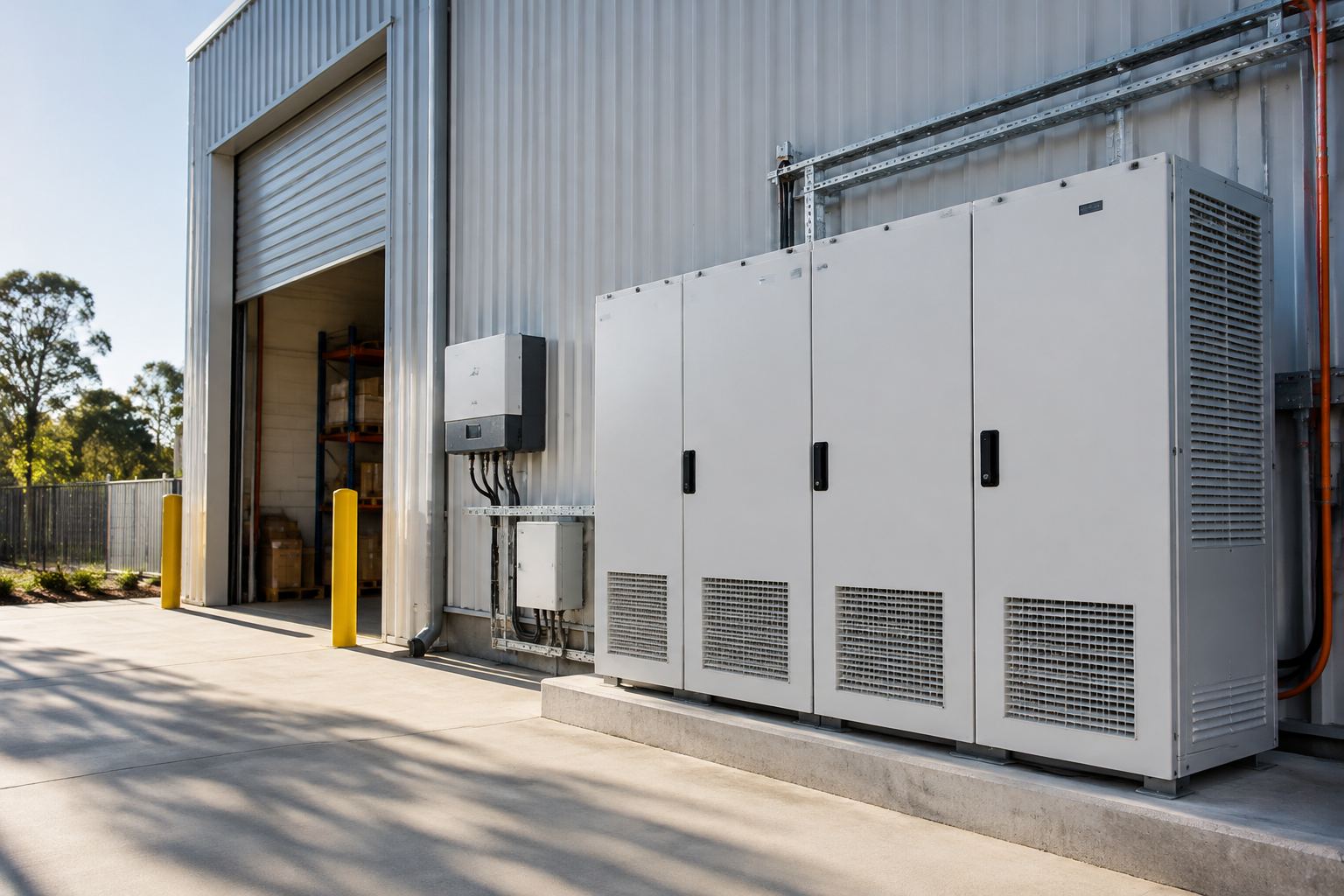
Approve the design you will buy, not the first version
If a commercial battery proposal changes before approval, does the revised design still justify the investment? That question deserves its own answer. An earlier assessment should not be treated as approval for a different configuration, budget or purpose.
For a NSW warehouse, hospitality venue, manufacturer, retailer or medical business, the useful starting point is a clear comparison between the assessed proposal and the final offer. Ask what changed, why it changed and which parts of the investment assessment need to be reconsidered. The decision is whether to approve this version, not whether the original idea sounded worthwhile.
Separate a changed description from a changed purpose
Business batteries can help manage energy use and may reduce peak demand charges, but suitability requires an investment assessment. If a revised proposal puts more emphasis on a different benefit, ask whether the underlying assessment has changed too. A new explanation is not, by itself, evidence that the investment is suitable.
For example, if demand management was the original purpose but backup becomes prominent in the final proposal, request a separate explanation of that change. A battery supplies electricity during outages only when configured for backup. Do not accept backup wording as a substitute for confirmation of the proposed configuration, or assume every battery provides it.
Recheck the assumptions affected by the revision
Ask the proposal provider to identify which assumptions remain applicable and which need another look. These questions should stay specific: is the assessment still based on the electricity use and timing your business supplied? Does it use the tariff relevant to your site? Does the revised investment still fit the budget you are prepared to commit?
Tariffs vary by customer and location, so request an explanation tied to your business rather than a general statement about battery benefits. Where solar is included, remember that businesses with solar often continue buying grid electricity. If the revised proposal relies on a different view of grid purchases, ask for that assumption to be explained before approval.
Keep solar changes visible in a combined proposal
If solar forms part of the package, ask whether any revision changes the solar assessment as well as the battery assessment. Solar size depends on electricity use and timing, budget, sunny roof space and installation complexity. A change to one of those considerations should prompt a question about whether the proposed solar size remains appropriate.
Do not let an unchanged package description conceal an unresolved design question. Equally, do not assume that every revision makes the proposal worse. The practical test is whether the final combination has been assessed on its own terms, with a clear explanation of why it suits the site.
Use a final-version decision checklist
Before signing off, work through these checks: identify the final proposal version; list each change from the version previously assessed; confirm the battery’s intended purpose; ask which investment assumptions were reconsidered; check the site’s tariff assumptions; confirm any claimed backup configuration; and, where relevant, revisit the solar sizing considerations.
Then ask one closing question: would you approve this proposal if it were the first version you had seen? Reasons not to buy include an unexplained change in purpose, an investment assessment that still describes an earlier design, or a final commitment outside your acceptable budget. If backup is essential but its configuration remains unclear, that is also a reason to withhold approval.
Take the revised proposal back to the site
You do not need to reject a revision simply because it is different. You do need a clear basis for accepting it. Keep the earlier proposal, the final version and your unresolved questions together so the assessment addresses the actual decision.
For your next step, ask UR Energy for a NSW site assessment focused on the revised proposal, your electricity use and timing, applicable tariff, budget and any required backup configuration.
Sources & further reading
- Australian Government — Solar for businesses
- NSW Government — Battery storage guide
- Australian Government — Batteries
- Australian Government — Electricity tariffs
AI-assisted editorial content based on the sources above. General information, not a site-specific recommendation. Confirm current requirements before committing to a project.