
Commercial Battery · NSW
Buying a Commercial Battery in Stages? Assess the First Stage on Its Own
A staged battery purchase needs more than a smaller starting commitment. NSW businesses should assess the first stage separately from any possible later additions.
UR Energy editorial team ·
Separate today’s purchase from tomorrow’s possibility
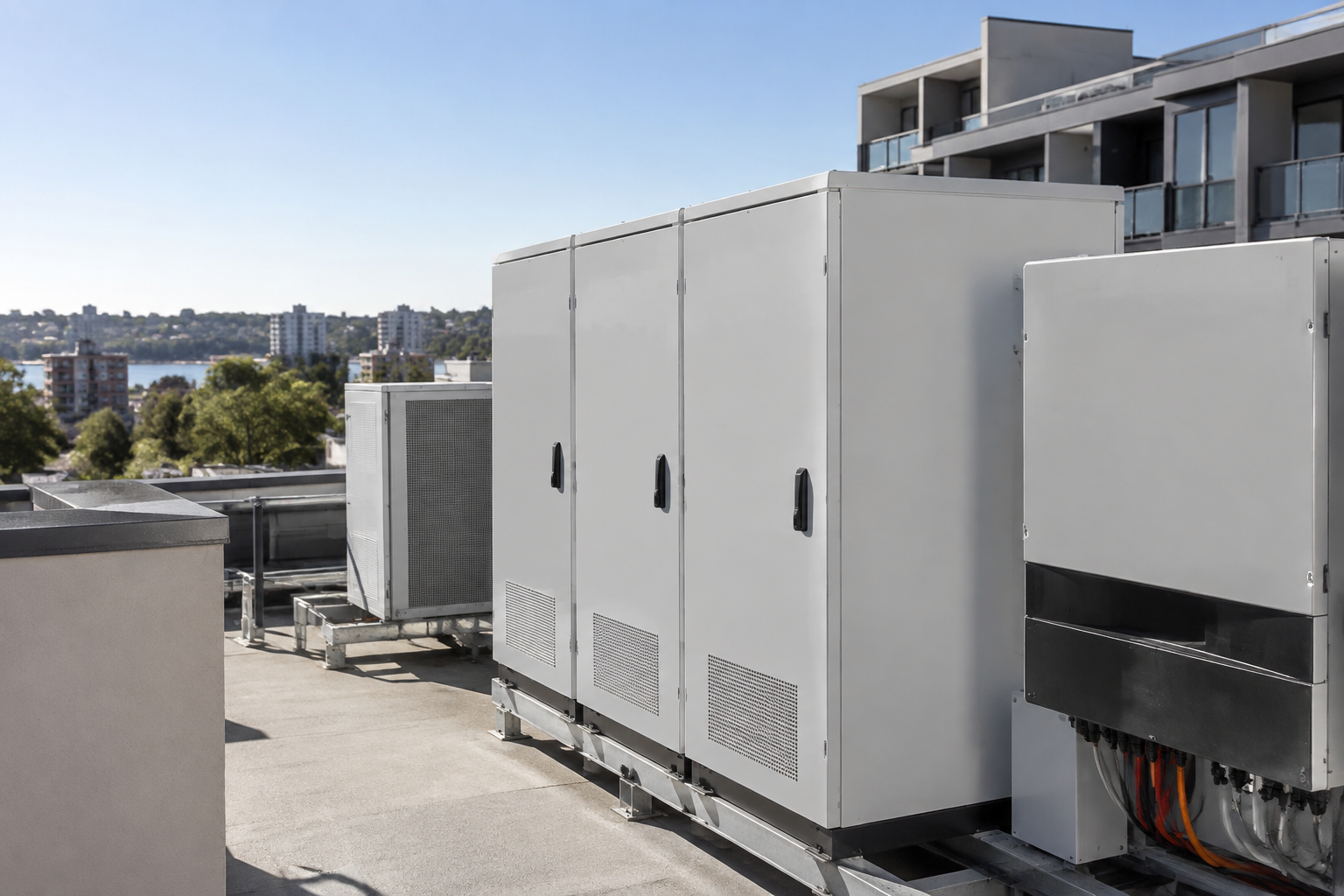
Your NSW business might be considering a battery now, with a possible addition later. The important question is not simply whether buying in stages sounds manageable. It is whether the first purchase makes sense if the second purchase never happens.
This is a purchasing-sequence decision, not necessarily a forecast of business growth. A warehouse, hospitality venue, manufacturer, retailer or medical practice could ask it without expecting electricity use to increase. Start by separating what you want to approve today from what you are only considering for the future. Do not treat the possible later stage as part of the approved investment.
Give the first stage a complete purpose
Business batteries can help manage energy use and may reduce peak demand charges, but suitability needs an investment assessment. Ask what the proposed first stage would do on its own, using your business’s electricity arrangements rather than the intended final arrangement.
Tariffs vary by customer and location. If peak demand management is the purpose, ask for an assessment tied to your applicable tariff. If backup is the purpose, ask whether the first-stage configuration would actually provide it: a battery supplies electricity during outages only when configured for backup. A proposed future backup configuration is not a reason to assume the initial purchase provides backup.
Treat later additions as questions, not assurances
If a proposal describes future additions, ask the assessor to identify what has been assessed and what remains unresolved. Is a later addition part of the assessed design, or merely an option someone has suggested? What would need to be checked before your business could make that later decision?
Ask for the first-stage proposal to distinguish its own intended outcomes from outcomes attributed to the larger arrangement. Avoid accepting a combined description that leaves you unsure which stage is meant to deliver which benefit. If the later stage cannot yet be assessed, keep it outside the justification for buying the first stage.
Keep any solar assumptions stage-specific
Where solar is included, ask which solar arrangement each battery stage assumes. Solar sizing depends on electricity use and timing, budget, sunny roof space and installation complexity. A possible future solar arrangement should not silently become the basis for approving a battery intended for today’s site.
Request separate explanations for the first-stage arrangement and the possible later arrangement. Which electricity-use assumptions apply to each? Which solar design has actually been assessed? Businesses with solar often continue buying grid electricity, so do not describe either stage as removing the need for grid purchases without a justified assessment.
Recognise when staging is not a reason to buy
Do not proceed merely because the initial commitment looks easier to approve. If the first stage has no clear purpose without later spending, ask whether it should be purchased at all. Deferring the decision may be more appropriate than approving an incomplete investment case.
Other reasons to pause include an unresolved tariff assumption, backup being attributed to an unspecified configuration, or benefits described only for the final arrangement. These are reasons to clarify the proposal, not to assume that a staged purchase will resolve the uncertainty.
Use a stage-by-stage decision checklist
Before approval, answer these questions in writing: What exactly are we buying now? What purpose must this stage serve? Has its suitability been assessed independently? Which tariff and solar assumptions support it? If backup matters, is it included in the assessed configuration?
Then ask: What remains unapproved? Which claimed outcomes depend on later additions? What would need reassessment before another purchase? Would we still approve the first stage if there were no second stage?
For your next step, ask UR Energy for a NSW site assessment that considers the proposed first stage on its own and clearly separates any possible later investment.
Sources & further reading
- Australian Government — Solar for businesses
- NSW Government — Battery storage guide
- Australian Government — Batteries
- Australian Government — Electricity tariffs
AI-assisted editorial content based on the sources above. General information, not a site-specific recommendation. Confirm current requirements before committing to a project.