
Commercial Battery · NSW
Already Spent Time on Battery Planning? Decide the Purchase on What Comes Next
Time and money already spent on battery planning should not decide your next commitment. A practical guide to separating past effort from a NSW business investment case.
UR Energy editorial team ·
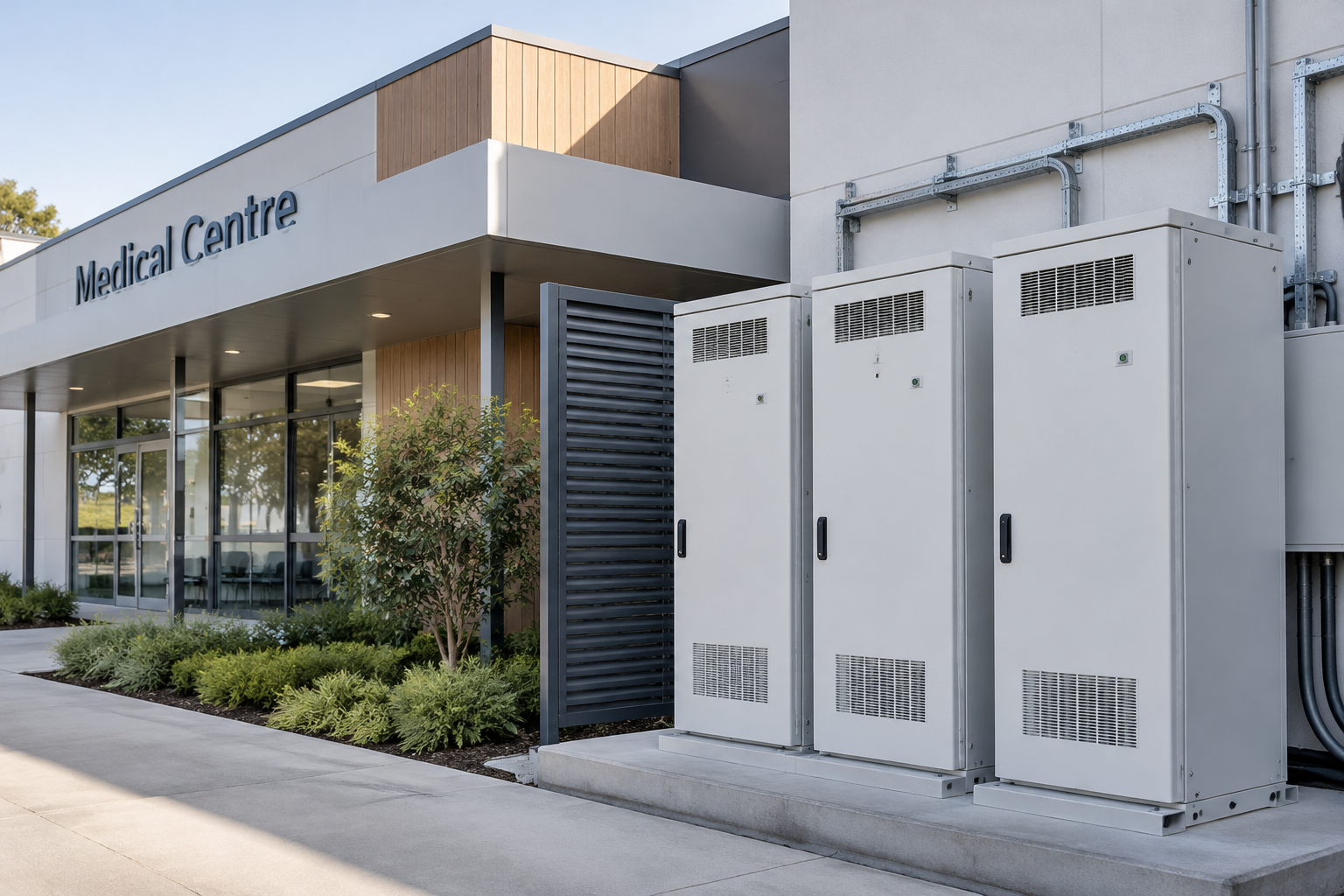
Planning effort is not a purchase instruction
If your NSW business has already devoted staff time or money to investigating a commercial battery, stopping may feel uncomfortable. You might have discussed requirements, reviewed proposals and explained the project internally. But the approval question should remain: does the proposed investment suit this site?
Separate what you have already done from what you are now being asked to approve. Earlier work can inform the decision without determining its outcome. Whether you operate a warehouse, hospitality venue, manufacturing facility, shop or medical practice, completing an assessment need not mean proceeding with a purchase.
Put past commitments beside future choices
Prepare two short records. In the first, note the planning work already completed and any expenditure already incurred. In the second, identify the proposed commitments that still need a decision. Ask for clarification wherever you cannot tell whether an item is already committed or remains optional.
Keep the records visible, but do not use past effort as evidence of future battery value. Ask: if the same proposal arrived today, with the completed assessment available but no pressure to justify how you reached this point, would you approve it? If not, identify the missing reason before moving ahead.
Return to the battery’s actual purpose
The NSW Government’s battery storage guide says business batteries can help manage energy use and may reduce peak demand charges, but suitability needs investment assessment. Return to that test. What energy-management outcome is being proposed, and does the assessment support it for your business?
Tariffs vary by customer and location. Ask whether the proposal uses the tariff relevant to your site rather than treating a general battery benefit as a site-specific result. If backup forms part of the justification, confirm that it is included in the proposed configuration: a battery supplies power during outages only when configured for backup. Previous planning does not resolve either question by itself.
Keep useful findings without forcing a purchase
Review the assessment for findings you can retain, even if you do not buy the battery. Which questions have been answered? Which assumptions remain unresolved? Treat a recommendation not to proceed as an acceptable assessment outcome, rather than asking for a different conclusion simply because substantial work has already been done.
If solar was assessed alongside the battery, keep its design questions separate. Solar size depends on electricity use and timing, budget, sunny roof space and installation complexity. Do not enlarge or reduce the solar proposal merely to preserve a battery purchase. Solar businesses often continue buying grid electricity, so do not make eliminating grid purchases the default test of whether the planning effort was worthwhile.
Use a forward-looking decision checklist
Before authorising the next commitment, record answers to these questions: What exactly are we approving now? What remains optional? What is the battery’s primary purpose? Which site-specific information supports that purpose? Does the investment assessment justify proceeding without relying on the argument that we have already spent too much to stop?
Then check: Is the relevant tariff identified? If peak demand savings are claimed, have they been assessed rather than assumed? If backup is required, is the configuration explicit? If solar is included, is its size justified independently? What unanswered question would prevent approval?
Reasons not to buy include an unsupported energy-management case, unresolved tariff assumptions or required backup that is not confirmed. Past expenditure does not answer these objections. Ask the decision-maker to document why the next commitment is justified on its own terms.
Make the next assessment about the remaining decision
You do not need to discard completed work or defend every earlier choice. Use what is relevant and identify what still needs checking. For your next step, ask UR Energy for a NSW site assessment focused on the remaining purchase decision, bringing your existing proposal, electricity-use information, tariff details and any unresolved solar or backup requirements.
Sources & further reading
- Australian Government — Solar for businesses
- NSW Government — Battery storage guide
- Australian Government — Batteries
- Australian Government — Electricity tariffs
AI-assisted editorial content based on the sources above. General information, not a site-specific recommendation. Confirm current requirements before committing to a project.