
Commercial Battery · NSW
A Battery Assessment Is Not a Commitment to Buy
For NSW businesses exploring battery storage, separate permission to assess from permission to purchase. A useful assessment should leave room for a clear no.
UR Energy editorial team ·
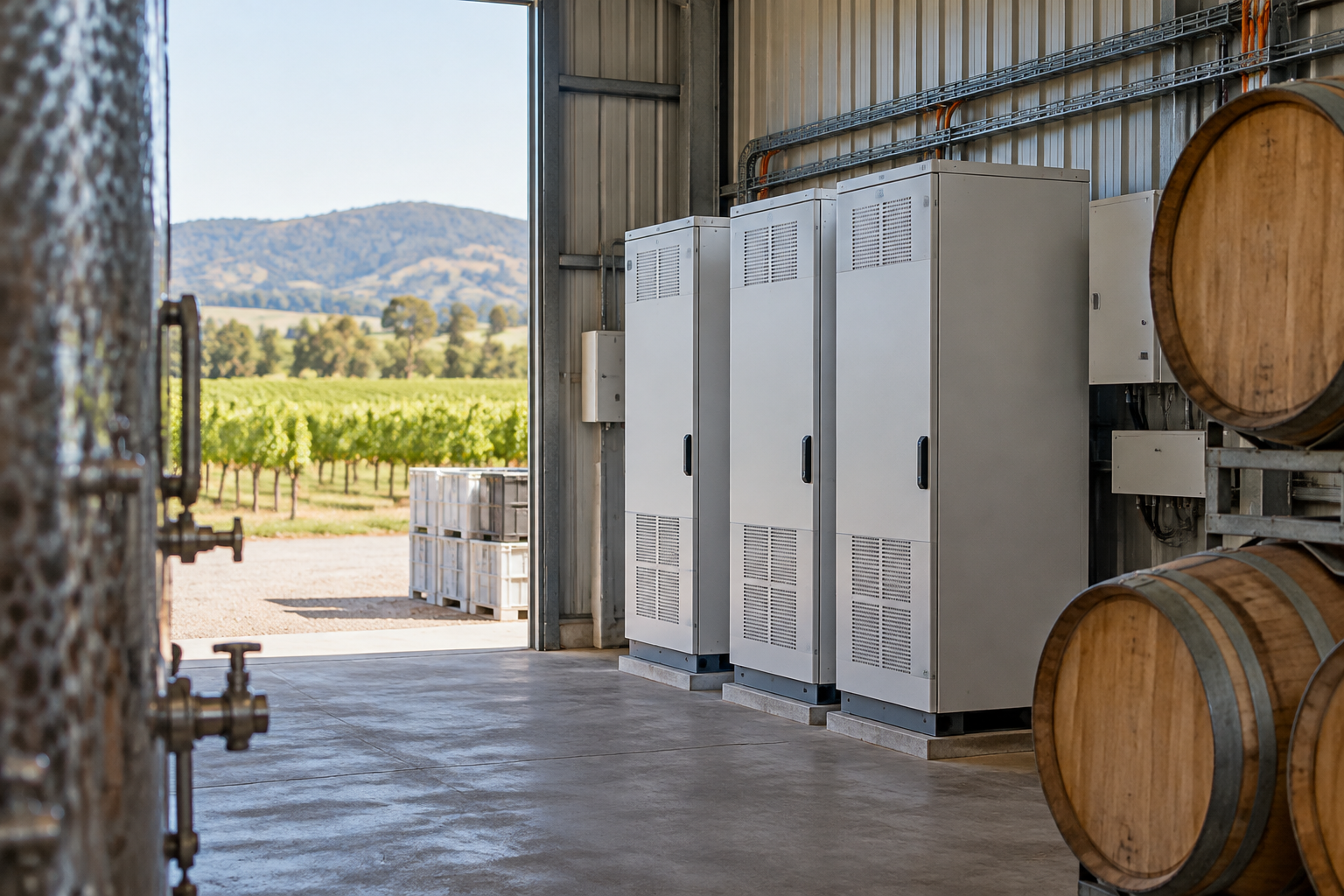
Authorise the investigation, not the purchase
Your NSW business may be interested in battery storage without being ready to own a battery. The first decision can be whether to investigate its suitability, rather than whether to proceed with a purchase. Keeping those decisions separate gives the assessment a useful purpose: establishing whether there is an investment worth considering.
That distinction matters whether you operate a warehouse, hospitality venue, manufacturing business, shop or medical practice. Instead of asking only which battery to buy, ask what the assessment must establish before buying becomes a reasonable option. Make clear that approval to investigate does not also authorise an order.
Give the assessment a question it can answer
NSW Government guidance says business batteries can help manage energy use and may reduce peak demand charges, but suitability requires investment assessment. Those possible benefits are reasons to investigate, not conclusions the investigation must reach. Ask which opportunity is being examined at your site and why it deserves attention.
For example, your brief might ask whether a battery could improve energy management under your electricity arrangement. If demand charges are the concern, ask whether they apply and what the proposed battery would be intended to change. Avoid starting with an instruction to justify a purchase already favoured by the business.
Keep configuration choices open during the investigation
An assessment should distinguish between a feature the business requires and one it has merely heard about. Backup is an important example: a battery supplies electricity during outages only when configured for backup. Do not let an exploratory discussion about batteries become an assumption that outage supply is included.
If solar is also being considered, leave its size open to assessment. Australian Government guidance identifies electricity use and timing, budget, sunny roof space and installation complexity as sizing considerations. Ask whether the proposed solar arrangement makes sense for the business, rather than treating it as a fixed companion to whichever battery is being discussed.
Allow the assessment to recommend against buying
A useful brief should explicitly permit a recommendation not to proceed. Reasons could include an investment case that does not support the intended benefit, uncertainty about whether relevant demand charges can be reduced, or a proposed configuration that does not address the business's stated requirement. These are matters to investigate, not claims about your site.
Tariffs vary by customer and location, and businesses with solar often continue buying grid electricity. If the buying rationale depends on an untested expectation of eliminating grid purchases, pause that rationale. Likewise, if backup is essential but has not been addressed in the configuration, do not treat the assessment as permission to purchase.
Use a concrete assessment-to-purchase checklist
Before commissioning the assessment, record the question to be answered, the electricity arrangement to be examined and the business requirement the proposal must address. Specify whether solar and backup are within scope. State that the acceptable outcomes include proceeding, seeking clarification or not buying.
Before considering purchase approval, check the findings against that brief. Has the investment been assessed rather than simply described? Are tariff assumptions tied to your customer and location? Are possible demand-charge benefits conditional rather than promised? If backup matters, is its configuration explicit? If solar is included, have the approved sizing considerations been addressed? Record any unanswered question alongside the decision it prevents.
Take the next step without pre-deciding the outcome
Interest in storage is enough to start a conversation; it is not enough to approve an investment. Keep the assessment outcome separate from the decision to spend. For your next step, ask UR Energy about a NSW site assessment framed around whether a battery suits your business, with no purchase conclusion assumed.
Sources & further reading
- Australian Government — Solar for businesses
- NSW Government — Battery storage guide
- Australian Government — Batteries
- Australian Government — Electricity tariffs
AI-assisted editorial content based on the sources above. General information, not a site-specific recommendation. Confirm current requirements before committing to a project.